Rudyard Kipling · 1910
If—
Rudyard Kipling · 1910
If you can keep your head when all about you Are losing theirs and blaming it on you; If you can trust yourself when all men doubt you, But make allowance for their doubting too; If you can wait and not be tired by waiting, Or being lied about, don’t deal in lies, Or being hated, don’t give way to hating, And yet don’t look too good, nor talk too wise; If you can dream—and not make dreams your master; If you can think—and not make thoughts your aim, If you can meet with Triumph and Disaster And treat those two impostors just the same; If you can bear to hear the truth you’ve spoken Twisted by knaves to make a trap for fools, Or watch the things you gave your life to, broken, And stoop and build ’em up with worn-out tools; If you can make one heap of all your winnings And risk it on one turn of pitch-and-toss, And lose, and start again at your beginnings And never breathe a word about your loss; If you can force your heart and nerve and sinew To serve your turn long after they are gone, And so hold on when there is nothing in you Except the Will which says to them: ‘Hold on!’ If you can talk with crowds and keep your virtue, Or walk with Kings—nor lose the common touch, If neither foes nor loving friends can hurt you, If all men count with you, but none too much; If you can fill the unforgiving minute With sixty seconds’ worth of distance run, Yours is the Earth and everything that’s in it, And—which is more—you’ll be a Man, my son!
Public domain in the UK and the US · serany.app
What Serany thinks about this poem
Background
Kipling wrote it for his son John in 1895 and published it fifteen years later, tucked inside a book of children’s stories. He said he drew its character from a man he’d watched stay calm through a very public disgrace.
Meaning
It’s one long list of what it takes to hold yourself together when everything is going wrong. Keep your head, don’t lie back at liars, lose the lot and start again without complaining, and you’ve made a life worth having.
Who's it for
Someone who got on with things, kept their temper, and didn’t make a fuss when life went against them. The sort of person other people steadied themselves against.
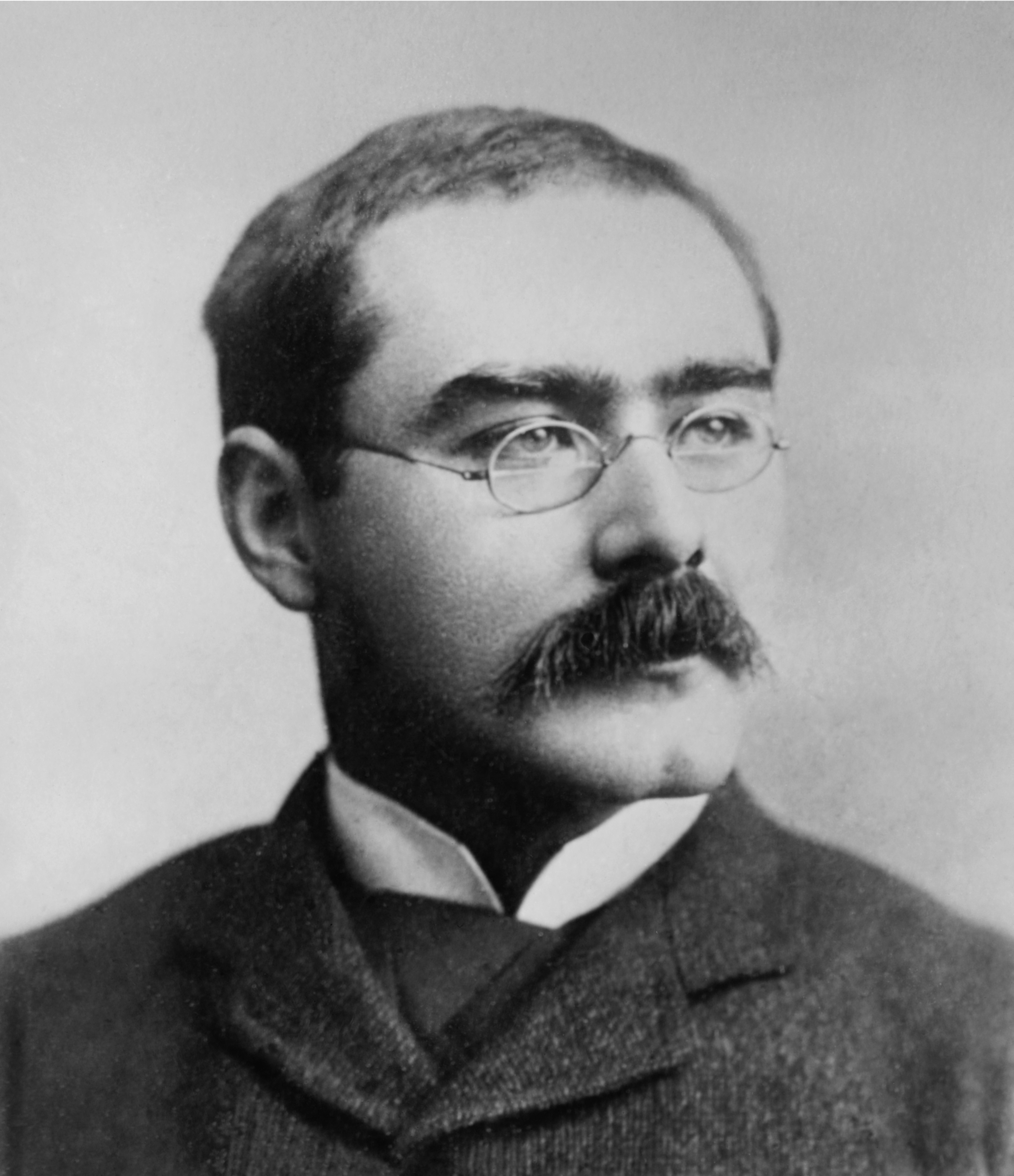
Photograph by Bain News Service. Public domain.
Rudyard Kipling
British · 1865 – 1936
Rudyard Kipling was born in Bombay in 1865 and won the Nobel Prize for Literature at forty-one, the first writer in English to be given it. His son John, the boy "If—" was written for, was killed at Loos in 1915, aged eighteen.
More about Rudyard Kipling →More poems that aren't about death
4 in all
More poems for a father
4 in all
More traditional poems
10 in all
Are you planning a funeral?
A Serany website keeps the whole funeral in one place: the plans and the details, who is coming, flowers and donations, and somewhere for everyone who knew them to leave a memory.